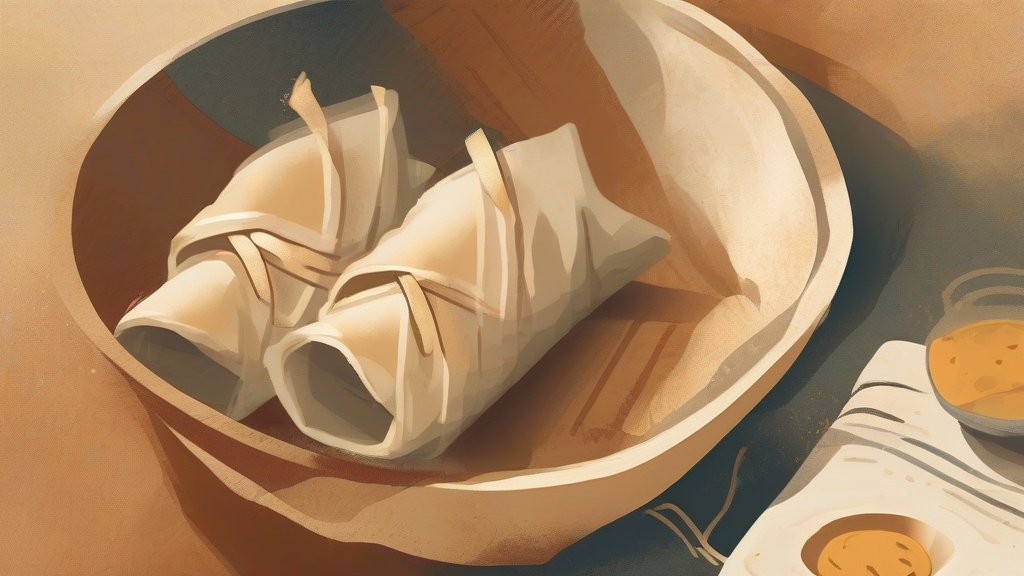
What does filo mean?
Filo, also known as phyllo, is a type of dough used in Greek and Middle Eastern cuisine. It is made from flour, water, and oil, and is often used to make pastries such as baklava and spanakopita. Filo dough is typically layered and brushed with butter or oil to create a crispy pastry crust. It can be found in most supermarkets, usually in the frozen food section. The dough is a staple in many traditional recipes and is prized for its flaky texture and versatility. Filo can be used in both sweet and savory dishes, and is a key ingredient in many Greek and Middle Eastern desserts and meals.
nounFilo is a type of dough used in Greek and Middle Eastern cuisine, typically made from flour, water, and oil, and often used to make pastries such as baklava and spanakopita.
- A type of dough
- A pastry made with this dough
"The recipe called for layers of filo dough to be brushed with butter and stacked to create a crispy pastry crust."
"The Greek chef expertly layered the filo to create a delicate pastry."
"Filo is often used in desserts like baklava."
The plural form is not commonly used, as filo is often used as a mass noun.
Reviewed by Deb Chak, Editor. AI-assisted content curated by RJS Tech Solutions LLP.
Etymology of filo
The word 'filo' originates from the Greek word 'phyllon', meaning 'leaf'. This refers to the dough's leaf-like texture. The term has been adopted into various languages and is widely used in culinary contexts to refer to this type of dough.
Usage notes
Filo is often used in formal and informal cooking, and is commonly found in Greek and Middle Eastern cuisine. It can be found in most supermarkets, usually in the frozen food section.