What does viol mean?
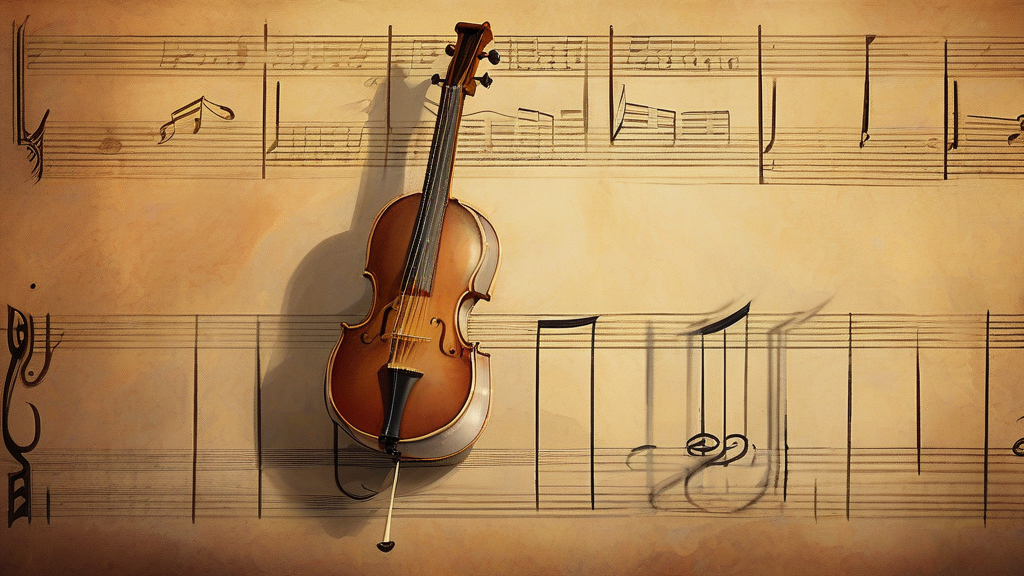
The viol is a stringed musical instrument that originated in Europe during the 16th century. It has a fretted neck and typically six strings, and was a popular instrument during the Renaissance and Baroque periods. The viol family includes various sizes, such as treble, tenor, and bass viols, and is often used in early music ensembles and historical performance contexts. Its unique sound and expressive qualities have made it a favorite among musicians and music enthusiasts. The viol is a versatile instrument that can be used in a variety of musical settings, from formal concerts to informal gatherings.
nounThe viol is a type of stringed musical instrument that was popular in Europe during the Renaissance and Baroque periods. It is characterized by its fretted neck and typically has six strings.
- A type of stringed musical instrument.
- A family of musical instruments including the treble, tenor, and bass viols.
"The viol consort performed a beautiful rendition of a 16th-century madrigal."
"The viol player's fingers moved deftly over the fingerboard."
"The viol is often used in early music ensembles."
The plural form 'viols' is used to refer to multiple instruments.
"The ensemble consisted of several viols, including treble, tenor, and bass."
Reviewed by Deb Chak, Editor. AI-assisted content curated by RJS Tech Solutions LLP.
Etymology of viol
The word 'viol' comes from the French 'viole', which referred to a type of stringed instrument. The viol is believed to have originated in Europe during the 16th century, and its design is thought to have been influenced by the viola da gamba. The viol family includes various sizes, such as treble, tenor, and bass viols, each with its own unique characteristics and playing style.
Usage notes
The viol is often used in formal and informal musical settings, particularly in early music and historical performance contexts.