What does ramshorn mean?
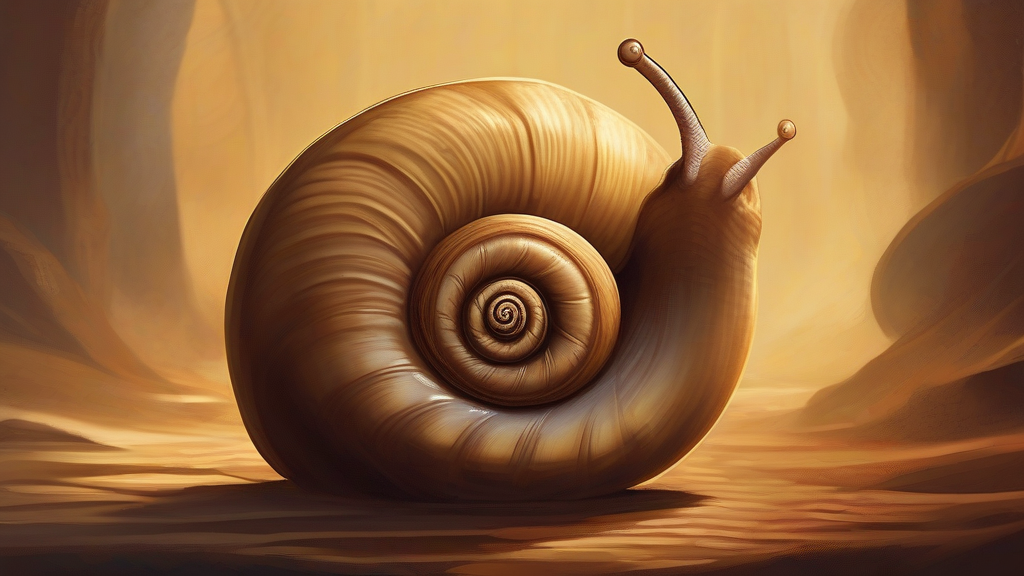
The term ramshorn has two distinct meanings. In a biological context, it refers to a type of snail shell characterized by its spiral shape and typically brown or yellowish color. These shells are often found in gardens and damp environments, where the snails they house feed on plant material. In a historical context, a ramshorn can also refer to a type of horn made from a ram's horn, used in medieval times for signaling or ceremonial purposes. The word's dual meanings reflect its origins in both natural history and cultural practices. Understanding the context in which ramshorn is used is crucial to interpreting its intended meaning. The word is used in both formal and informal settings, often to add specificity or evoke a particular image.
A type of snail shell.
"The garden was home to many ramshorns."
Often used in scientific or technical contexts.
A type of medieval horn made from a ram's horn.
"The medieval reenactment featured a musician playing a ramshorn."
Often used in historical or literary references.
Used for multiple snail shells or horns.
"The garden was home to many ramshorns and other types of snails."
Reviewed by Deb Chak, Editor. AI-assisted content curated by RJS Tech Solutions LLP.
Etymology of ramshorn
The word ramshorn has its origins in Old English, with 'ram' referring to the animal and 'horn' describing the shape. The term has been used in English since the 14th century to describe both the snail shell and the medieval horn. The snail shell's spiral shape resembles a horn, leading to the name. The medieval horn, made from a ram's horn, was used for various purposes, including signaling.
Usage notes
The term 'ramshorn' is often used in a scientific or technical context to refer to the snail shell, while the medieval horn is more commonly found in historical or literary references.