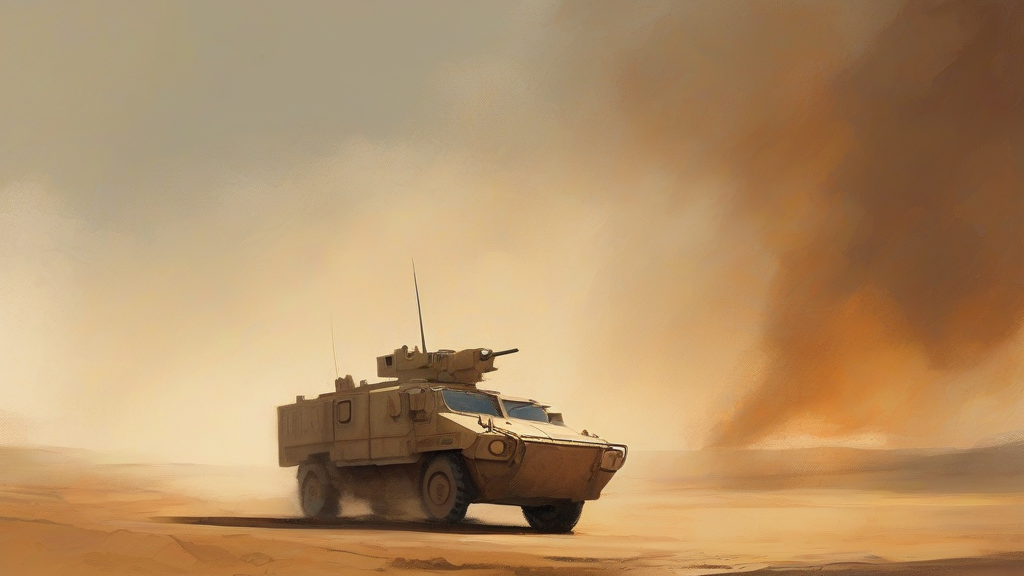
What does peacekeeping mean?
Peacekeeping refers to the actions taken to maintain peace and stability in a region or country, often through the deployment of a neutral third-party force. This can involve monitoring ceasefires, providing humanitarian aid, and facilitating dialogue between conflicting parties. Peacekeeping efforts are typically led by international organizations such as the United Nations, and are used to prevent or respond to conflicts. Effective peacekeeping can help to build trust, reduce violence, and create conditions for long-term peace and stability. The concept of peacekeeping has evolved over time, and now encompasses a range of activities and strategies.
nounThe maintenance of peace, especially by a peacekeeping force, in a country or region where conflict has occurred or is threatening.
- The action of maintaining peace
- A peacekeeping force or operation
"The United Nations played a crucial role in peacekeeping efforts during the conflict."
"The peacekeeping mission was established to monitor the ceasefire."
"The country's peacekeeping efforts were recognized globally."
Reviewed by Deb Chak, Editor. AI-assisted content curated by RJS Tech Solutions LLP.
Etymology of peacekeeping
The term 'peacekeeping' originated in the mid-20th century, combining 'peace' from Old French 'paix' and 'keeping' from Old English 'cēpan'.
Usage notes
Often used in the context of international relations and conflict resolution.