What does gamb mean?
The term 'gamb' refers to a leg or leg-like structure, particularly of an animal. It is a somewhat archaic or regional term that can be found in specific contexts such as heraldry, zoology, or in poetic descriptions of nature. The word is related to terms like 'gambol', which means to leap or jump playfully, suggesting a connection to movement and agility. While not commonly used in everyday language, 'gamb' provides a precise term for describing anatomical features or heraldic symbols. Understanding 'gamb' can enrich one's vocabulary, especially for those interested in detailed descriptions of animals or historical symbols.
nounThe third leg of an animal, especially a quadruped, or a leg-like structure. In some contexts, used interchangeably with 'leg'.
- A leg or leg-like structure of an animal.
- In heraldry, a gamb is a leg or a limb of an animal depicted in a coat of arms.
"The deer moved swiftly, its gamb flexing with each step."
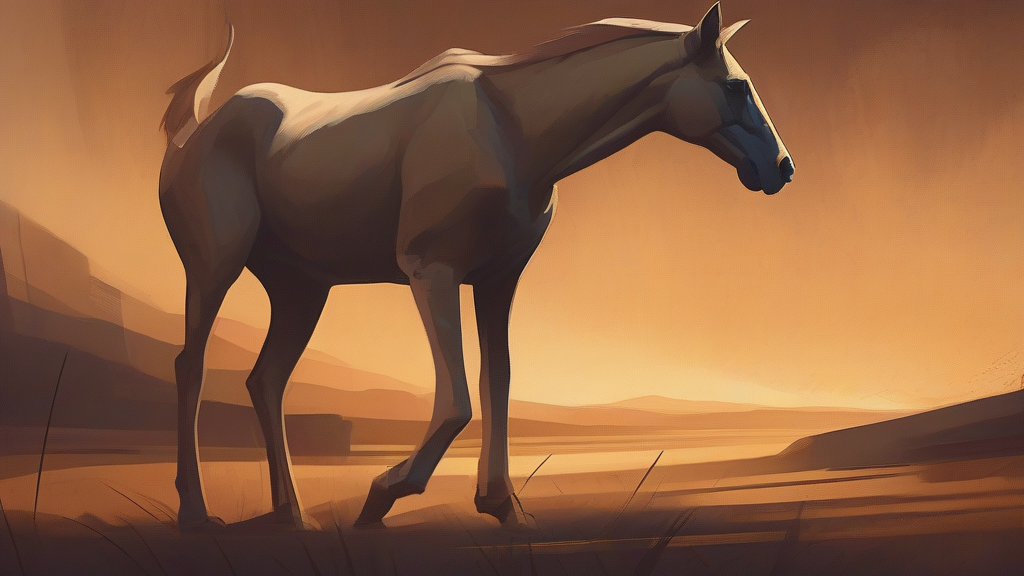
"The artist carefully painted the gamb of the horse."
"In heraldry, the lion's gamb was depicted as strong and proud."
The plural form 'gambs' is used when referring to multiple legs or leg-like structures.
"The quadruped's four gambs moved in unison."
Reviewed by Deb Chak, Editor. AI-assisted content curated by RJS Tech Solutions LLP.
Etymology of gamb
The origin of 'gamb' is uncertain, but it is believed to be related to the Old French 'gambe', meaning 'leg'. This term has been used in English since the 15th century. Etymologically related words include 'gambol', 'gambit', and 'gamble', which share Latin roots related to legs or movement.
Usage notes
This term is considered rare and is mostly used in regional dialects or in specific contexts such as heraldry or zoology. It may sound archaic or poetic in modern usage.