What does brock mean?
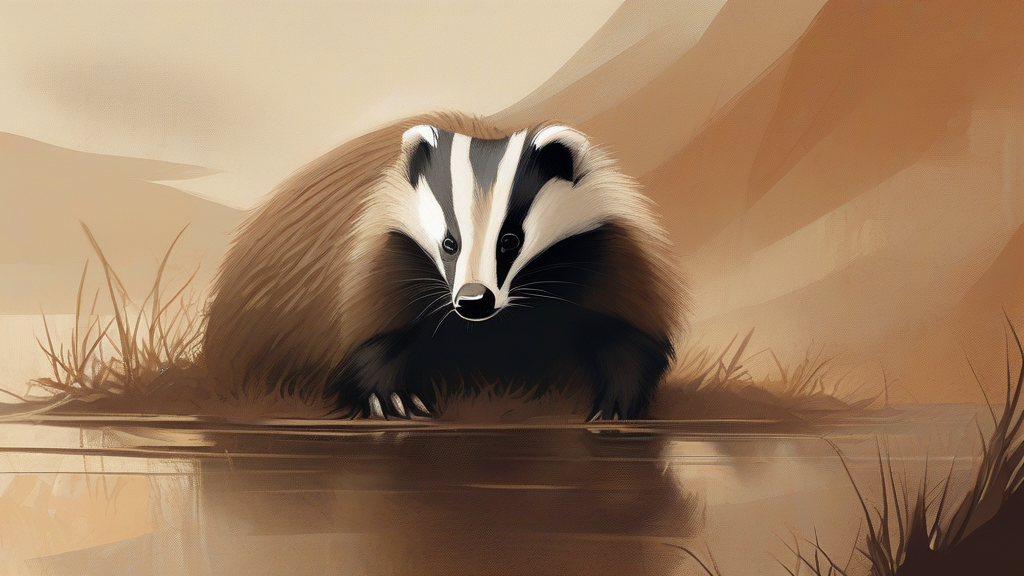
The word brock refers specifically to the European badger, Mellis meles. It is a somewhat archaic term, predominantly used in Scotland and northern England. The brock is known for its distinctive white stripes on its face and its omnivorous diet. As a protected species, conservation efforts are in place to preserve the brock's habitats and populations. The term has also appeared in Scottish folklore, often symbolizing tenacity and resourcefulness. Understanding the brock's significance can provide insight into regional cultural and environmental contexts.
nounA badger, especially the European badger, Mellis meles.
- A badger, especially the European badger.
- In Scotland, a badger is sometimes referred to as a brock.
"The brock emerged from its sett at dusk to forage for food."
"The brock is a protected species in many countries."
"In Scottish folklore, the brock is often depicted as a fierce and cunning creature."
The plural form is used when referring to multiple badgers.
"Several brocks were spotted in the forest."
Reviewed by Deb Chak, Editor. AI-assisted content curated by RJS Tech Solutions LLP.
Etymology of brock
The term brock originates from the Old French 'broc', which referred to a badger. This term is related to the Old High German 'brodax', meaning 'badger'. The word has been used in English since the 14th century, particularly in Scotland and northern England, where it remains a recognized synonym for the European badger.
Usage notes
This term is primarily used in British English, especially in Scotland and northern England.