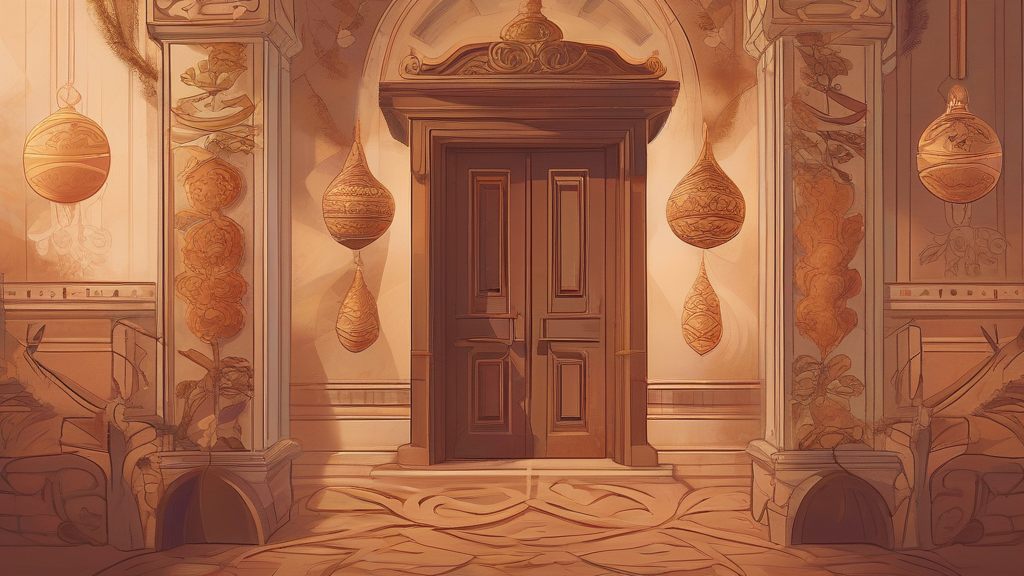
What does overornament mean?
Overornament refers to an excessive or elaborate decoration, often used to describe art, architecture, or interior design that is perceived as cluttered, gaudy, or overly elaborate. The term is used in formal or critical contexts to convey a sense of disapproval or distaste for such ornamentation. Overornament can be seen as the opposite of simplicity or understatement, and is often used to describe work that prioritizes flashy or attention-grabbing elements over more subtle or restrained qualities. Understanding the concept of overornament can help individuals develop a more nuanced appreciation for different styles of art and design.
nounAn excessive or elaborate ornament or decoration.
- excessive decoration
- elaborate ornament
"The room was criticized for its overornament, which made it feel cluttered and gaudy."
"The furniture was criticized for its overornament."
"The architect aimed to balance modern simplicity with historical overornament in the building's design."
rarely used; typically a mass noun
Reviewed by Deb Chak, Editor. AI-assisted content curated by RJS Tech Solutions LLP.
Etymology of overornament
The term overornament is derived from the prefix 'over-' meaning excessive or too much, and 'ornament' which comes from the Latin 'ornamentum', meaning decoration or adornment. The word has been used in English since the 17th century to describe excessive or elaborate decoration.
Usage notes
Formal or critical contexts; often used to describe art, architecture, or interior design.