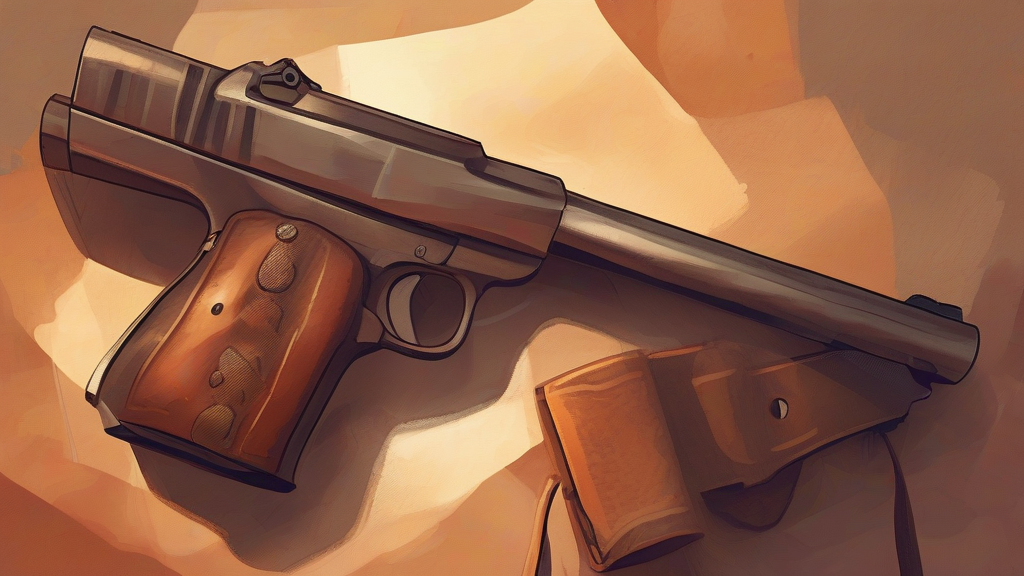
What does outdraw mean?
The verb outdraw has two main senses: to draw or pull something out, often from a hidden or confined space, and to surpass or outdo someone or something in drawing or attracting. This can be applied in various contexts, such as gunslinging in Westerns, magic tricks, or competitions where drawing or attracting is involved. Outdraw often implies a level of quickness, skill, or superiority. It is a versatile verb that can be used in both literal and figurative senses. Understanding the context is crucial to accurately interpreting the meaning of outdraw. The verb is commonly used in American English, particularly in the context of gunfighting and Western culture.
To draw or pull something out, especially a gun or a weapon, from a holster or a hiding place.
"The gunslinger outdrew his opponent and fired first."
Often used in Westerns or contexts involving quick draws.
To surpass or outdo someone or something in drawing or attracting.
"The new restaurant outdrew its competitors in popularity."
Can be used in various contexts, including business, art, or entertainment.
Reviewed by Deb Chak, Editor. AI-assisted content curated by RJS Tech Solutions LLP.
Etymology of outdraw
The verb outdraw originated from the combination of the prefix out- and the verb draw. The prefix out- is used to indicate a movement outward or a surpassing action. The verb draw has Old English and Germanic roots, with related words in other languages such as Dutch trekken and German ziehen. The exact date of outdraw's emergence is unclear, but it has been in use since at least the 17th century.
Usage notes
This verb can be used in various contexts, including Westerns, magic shows, and competitions. It often implies quickness or skill.