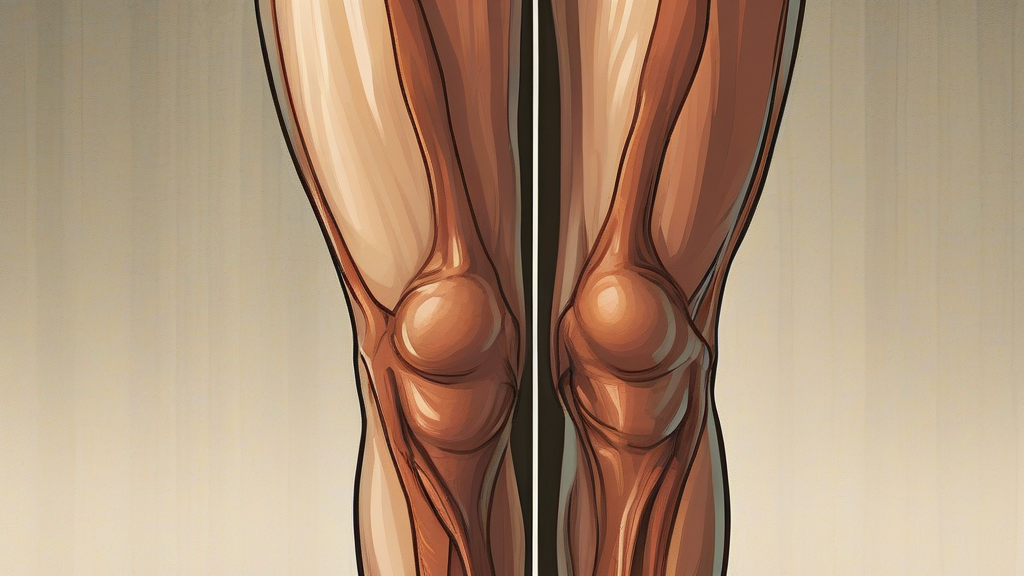
What does hamstring mean?
The term hamstring refers to a group of muscles and tendons located at the back of the thigh, responsible for bending the knee and straightening the leg. As a noun, it is commonly used in medical and sports contexts to describe a specific anatomical structure. As a verb, to hamstring means to cripple, disable, or severely limit the effectiveness of someone or something. This can be applied literally, such as injuring the muscles or tendons, or figuratively, such as imposing significant constraints or limitations. Understanding the dual nature of hamstring is essential for accurate communication in both everyday and specialized discourse.
A group of muscles and tendons in the back of the thigh that bend the knee and straighten the leg.
"The athlete strained her hamstring during the sprint."
Often used in medical and sports contexts.
To cripple or disable someone or something.
"The budget cuts hamstrung the team's ability to compete."
Often used figuratively to imply significant limitation or hindrance.
Used when referring to multiple instances or groups of muscles and tendons.
"The athlete had injured both of her hamstrings."
Reviewed by Deb Chak, Editor. AI-assisted content curated by RJS Tech Solutions LLP.
Etymology of hamstring
The word hamstring originated from the combination of 'ham,' referring to the back of the thigh, and 'string,' likely due to the tendinous structure in that area. The term has been used in English since the 16th century. Etymologically related words include ham, thigh, and tendon.
Usage notes
The verb form often has a figurative meaning, implying a significant limitation or hindrance.