What does dibber mean?
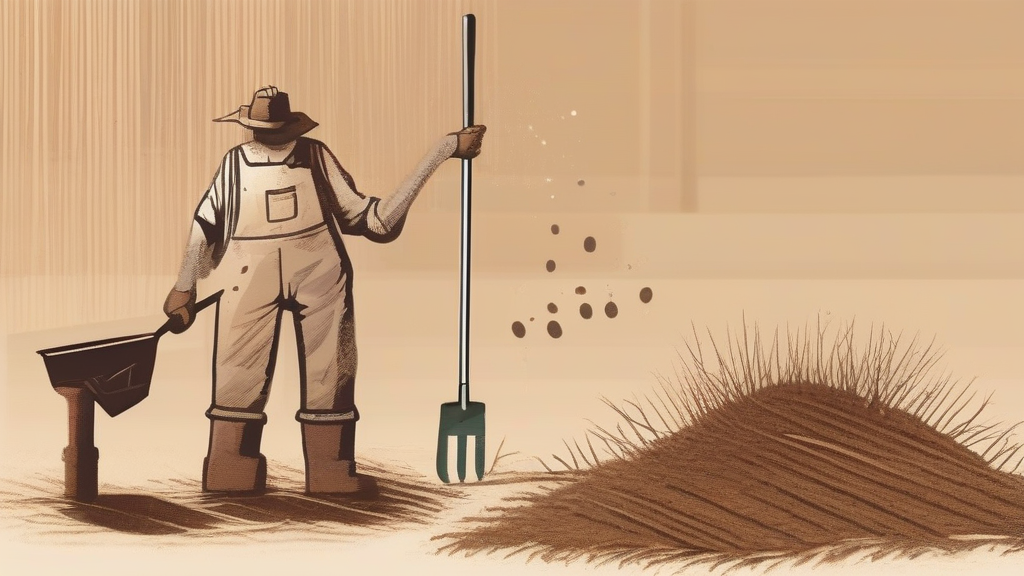
A dibber is a simple, typically long-handled tool used in gardening to create holes in the soil for planting seeds, seedlings, or bulbs. It is an essential instrument for gardeners, allowing for precise placement and depth control when introducing new plants to the soil. The dibber is particularly useful in preparing the soil for seeds that require specific depths for optimal germination and growth. It can also be used to mark out planting areas or to gently firm soil around newly planted specimens. The tool's straightforward design makes it accessible for gardeners of all skill levels, from hobbyists to professionals. By using a dibber, gardeners can ensure their plants get off to a strong start with minimal disturbance to the surrounding soil structure.
nounA dibber is a gardening tool used for making holes in the soil for planting seeds or seedlings.
- A tool for making holes in soil for planting
- A person who dibs or makes holes
"She used a dibber to plant the small bulbs in the garden."
"The gardener used a dibber to make holes for the seeds."
"He worked as a dibber on the farm, planting seeds all day."
The plural form 'dibbers' can refer to multiple gardening tools or to people who use them.
"She bought two new dibbers for her gardening class."
Reviewed by Deb Chak, Editor. AI-assisted content curated by RJS Tech Solutions LLP.
Etymology of dibber
The term 'dibber' originates from the verb 'dib', which means to make a hole or depression in something, often with a pointed instrument. This verb has its roots in Middle English and is related to the Old English word 'dibbian', which carries a similar meaning. The development of the dibber as a gardening tool likely parallels the evolution of gardening practices that require precise seed placement.
Usage notes
The term 'dibber' is more commonly used in British English and is often associated with gardening and horticulture.